Language Training Center
Who We Are
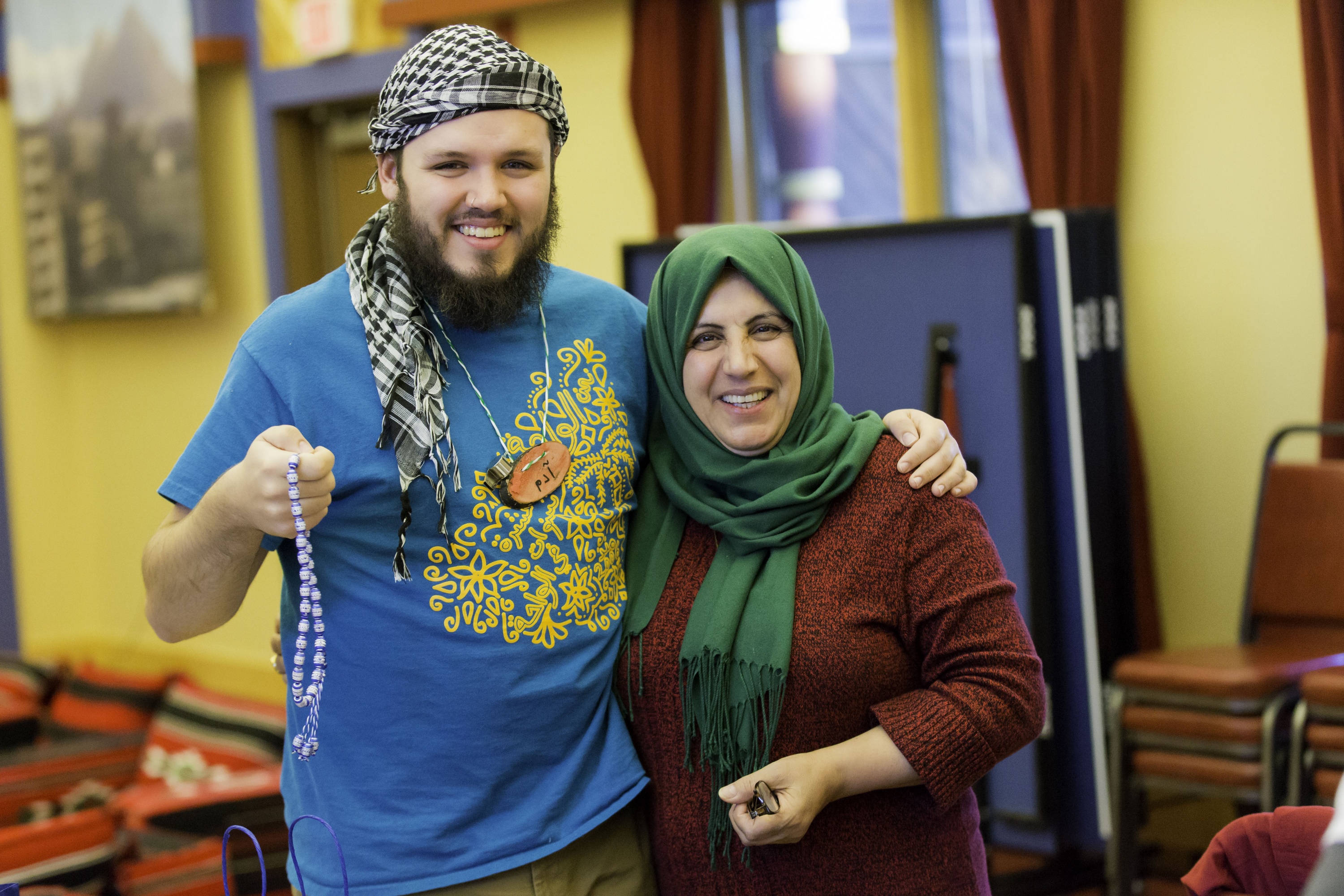
Concordia College is one of the Language Training Centers (LTC) across the country funded by the Defense Language and National Security Education Office and administered by the Institute of International Education.
The Concordia LTC was established in 2016 in collaboration with the 300th MI BDE of the Utah National Guard. Since then, additional partners have been added. Concordia’s LTC, through its Concordia Language Villages, has been offering residential iso-immersion sessions in a variety of critical languages. Please see program info below.
Our Unique Iso-Immersion Learning Model
At Concordia Language Villages, our approach to language teaching puts learners into a grand simulation which includes the need to apply the target language via context-based situated learning and being surrounded by meaningful elements of a culturally authentic setting.
At Concordia Language Villages, our approach to language teaching puts learners into a grand simulation which includes the need to apply the target language via context-based situated learning and being surrounded by meaningful elements of a culturally authentic setting.

Given the iso-immersion design of the residential Concordia LTC program, participants focus on learning from breakfast until bedtime, away from distractions of daily life, surrounded by an instructional team of native speakers and others who are highly proficient in the language. The instructor to learner ratio is 1:3, providing for non-stop opportunities to engage and find support in the learning process.
Concordia Language Villages has provided customized training for soldiers of the U.S. Army since 2006 and has yielded remarkable and faster proficiency gains in language acquisition and building cultural competencies. Concordia College’s Language Training Center partners include the 300 MI BDE of the Utah National Guard, the Sixteenth Air Force (16 AF) of San Antonio, Texas and the 1st Special Forces Command (1SFC) of Fort Bragg, North Carolina.
Photos
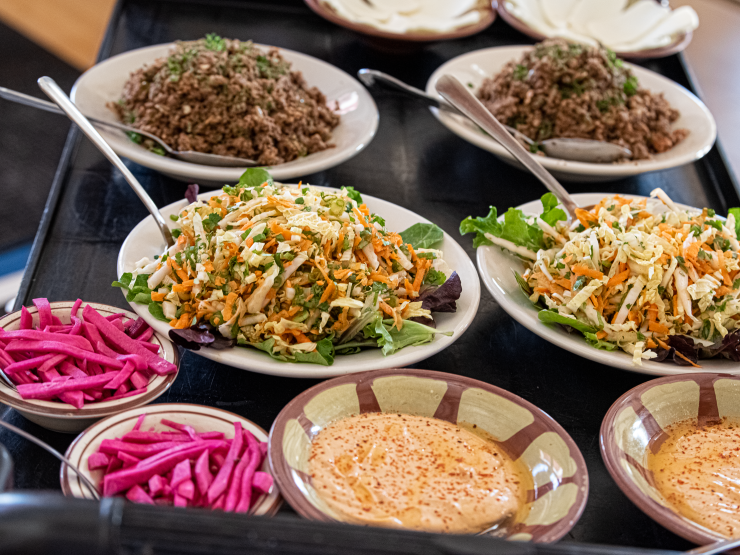
Regionally Inspired Cuisine
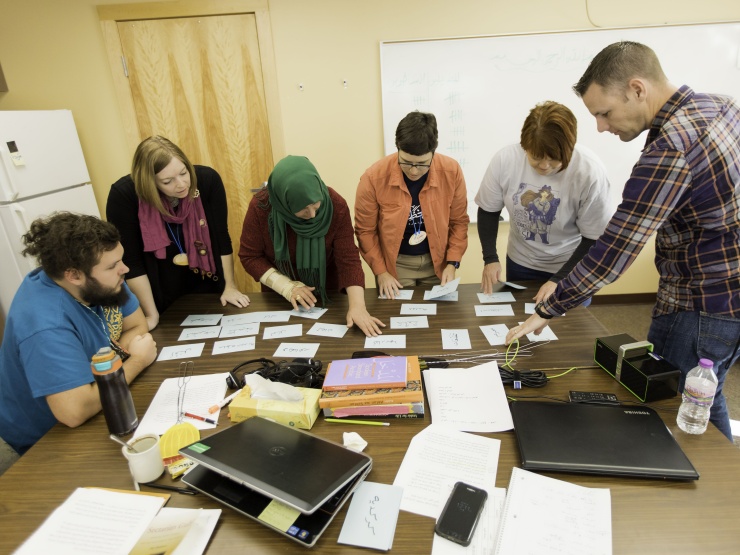
Language Learning
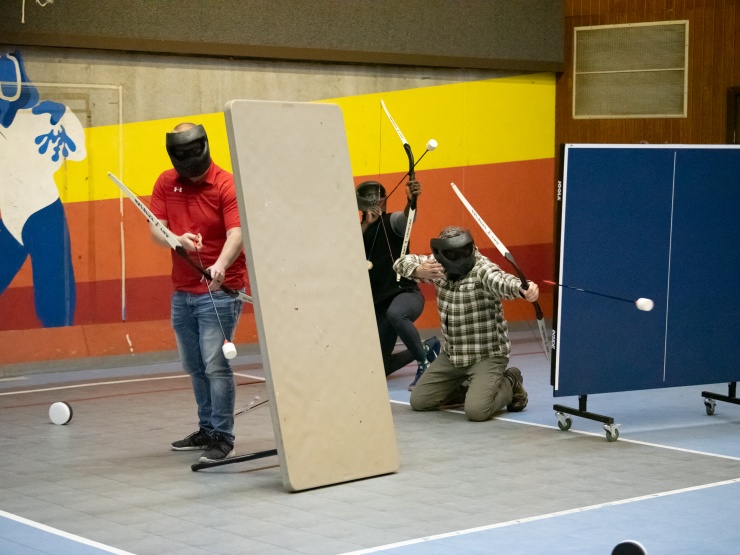
Team Building Activities
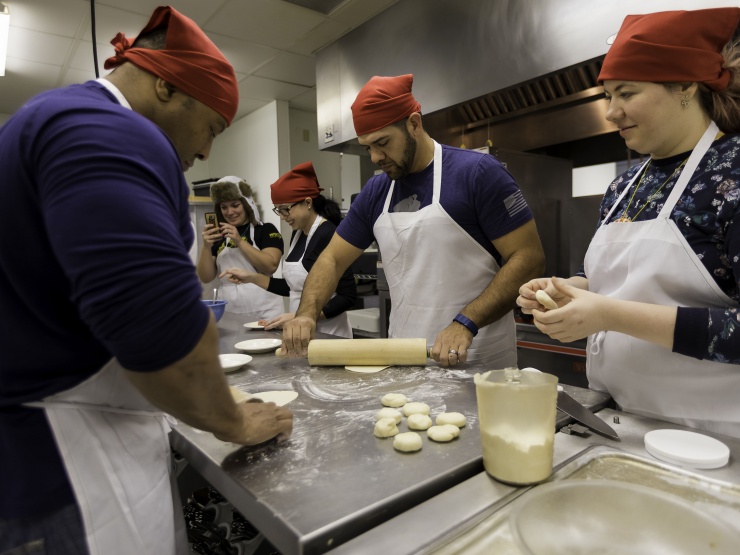
Cooking

Playing Chess
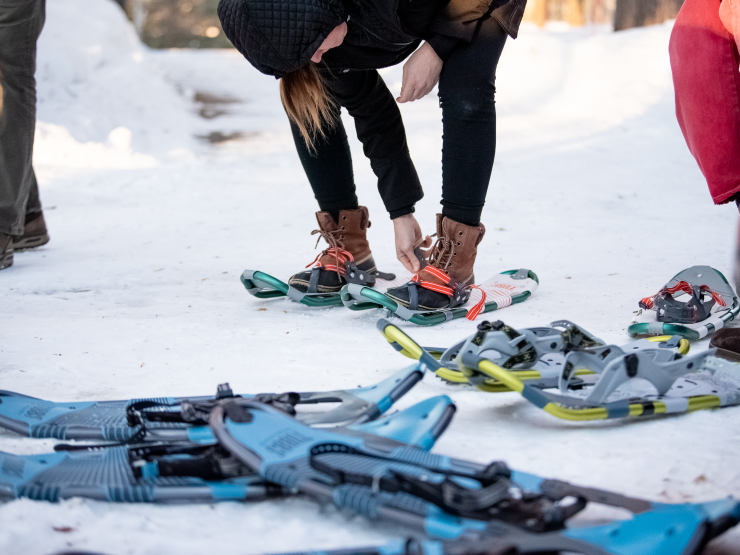
Outdoor Recreational Activities
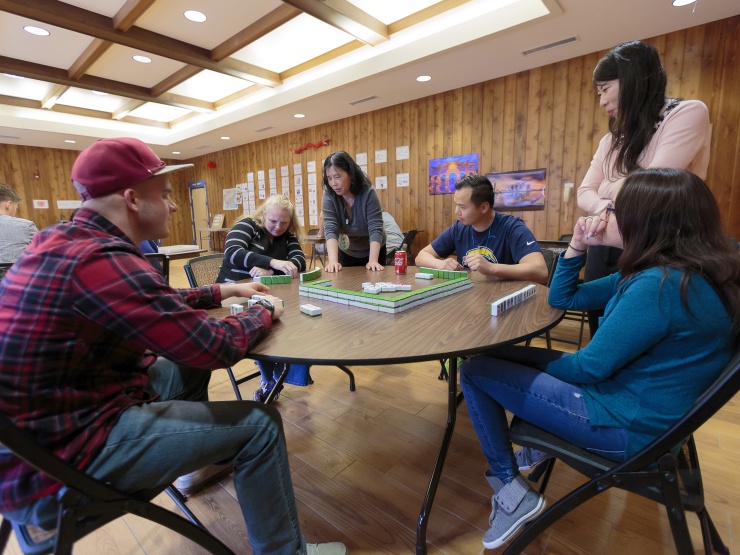
Playing Cultural Games
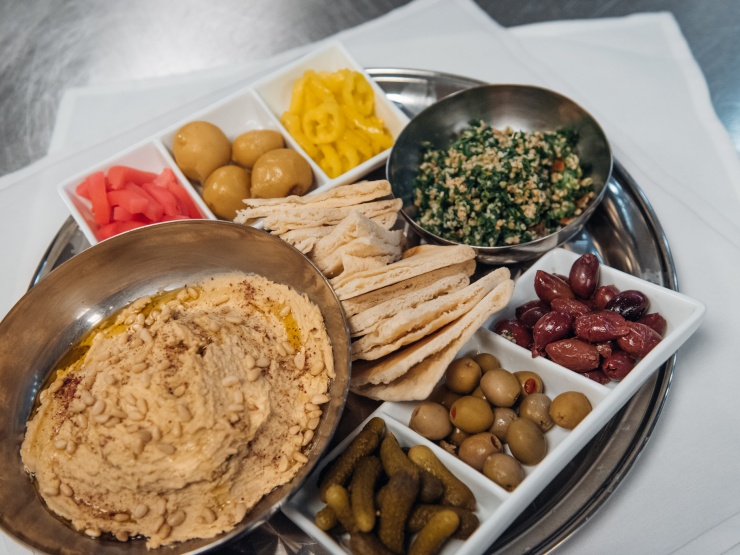
Regionally Inspired Cuisine

Practicing Arabic Script
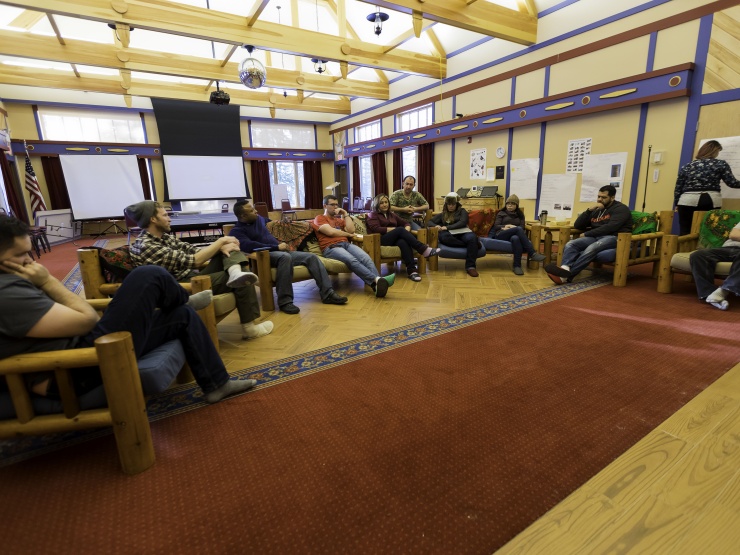
Community Discussions
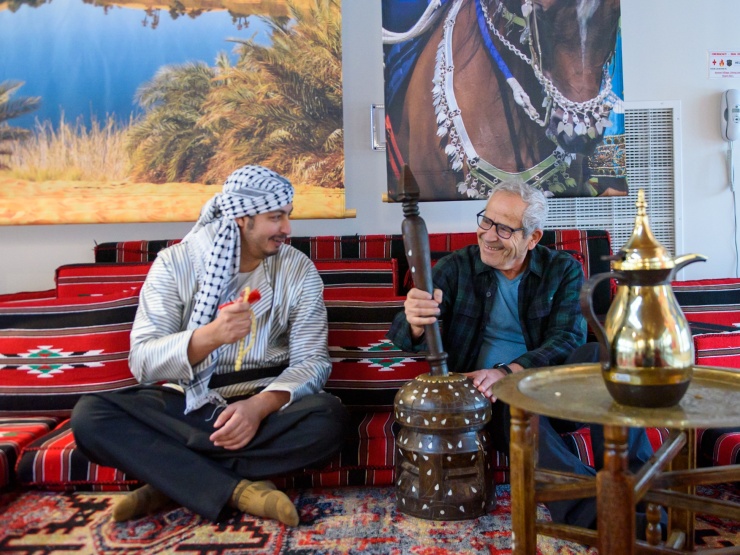
Grinding Coffee Beans
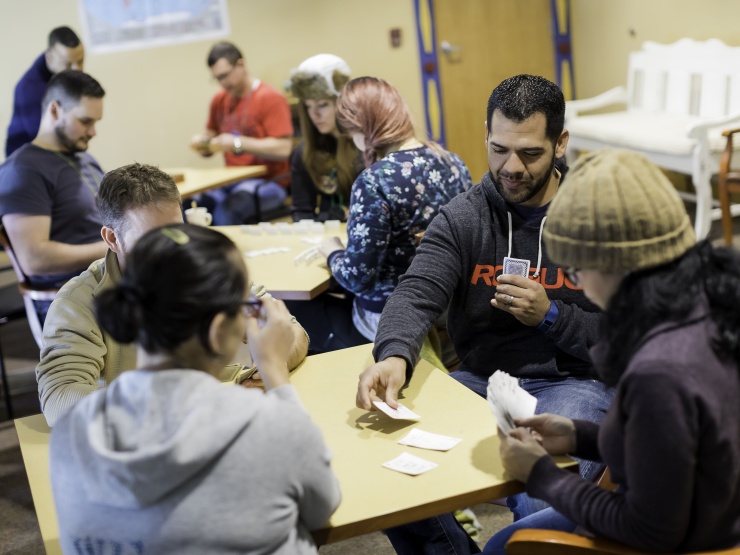
Playing Cultural Games
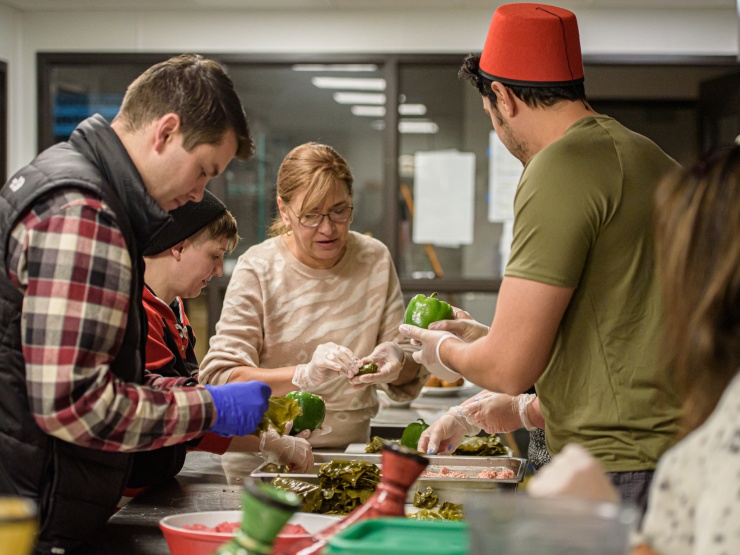
Cooking Cultural Cuisine
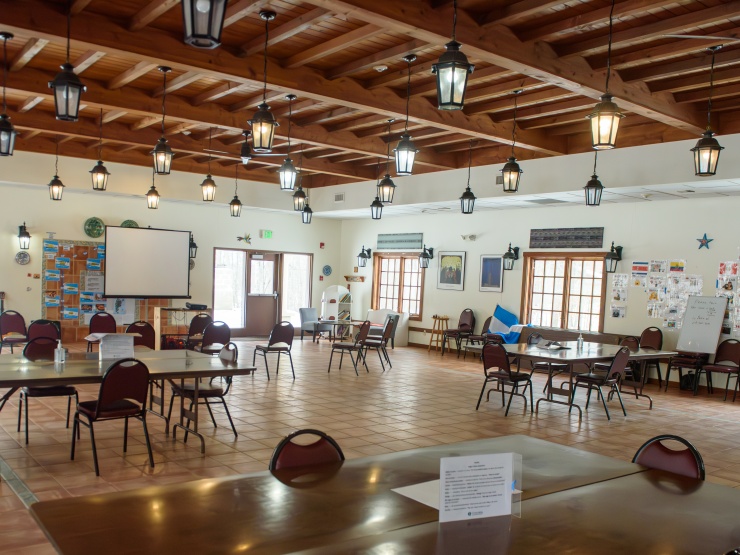
Dining Hall
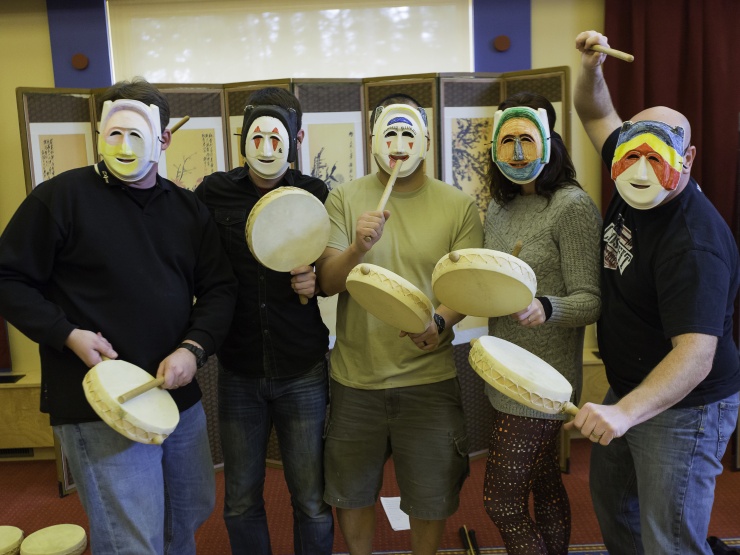
Cultural Music
Our Six Guiding Principles
Like in other Village immersion experiences, learning at the Language Training Center is based on the six guiding principles outlined in Hamilton, et. al., "Doing Foreign Language" (2005).
The LTC environment is designed to encourage learners to use the target language despite uncertainty. A friendly tone is set from the moment that participants arrive with a culturally authentic welcome in the Village, whether breaking bread and salt at the Russian Language Village, or a cup of tea with sweets at the Arabic LTC. Instructors push students toward fluency in speaking by modeling strategies for effective Village communication in the face of ambiguity, such as talking around unknown concepts, reinforcing meaning with synonyms and politely asking for clarification.
Experience shows that students learn fastest and best when they are intrinsically motivated by interesting content. Student-centered activities in the LTC are threefold. First, instructors take the time to get to know each student and tailor the content to their interests and expertise. Second, students take the lead, sharing responsibility for research and presentation of current socio-cultural topics, with staff available to help them prepare. Each student completes a final project involving self-directed research and creative choices. Finally, students try new things that nudge them out of their comfort zone. Learners are encouraged to engage in self-reflection through journaling and intermittent check-ins with instructional staff.
The LTC is designed to surround learners with authentic language and culture. In language-focused sessions, students engage with contemporary social issues by listening to and reading the voices of people living those issues. At other times of the day, they may learn to make an ethnic dessert, visit a simulated cafe or participate in a session in the banya (sauna), all in the target language. Mealtimes at the Village are not just for nutrition. Participants learn about ways of setting the table, differences in the order in which dishes are served and eaten and culture-specific use of utensils.
Needs-driven interactions occur naturally in the LTC. They must figure out how to express any question or need they have in the target language. This heightens learner interest in designing an utterance that will serve its purpose and provides an incentive for the student to listen very carefully to the response. This move from unnecessary to purposeful communication can be enough to get even the most reticent learners to focus and learn.
Instructional team members use the target language at all times, and the same is expected of participants. We hear from many of the learners at the LTC that the language they learn through experiences in the Village sticks in a way that knowledge acquired for pen-and-paper tests does not.
LTC students take part in creative, learner-designed projects using the target language. Whether preparing for a mock parliamentary debate, pitching a business idea, recording and editing voices for a podcast or producing a poem in Persian, working on a project provides a coherent focus for learners as they work consistently and repeatedly with a manageable range of vocabulary and language functions. Projects also link the use of the target language to other skills. Finally, participating in such projects creates a sense of community rooted in fun, creativity, adventure and excitement about learning.


Critical Outcomes
The focus on cultural immersion in the Concordia LTC setting is, among other ways, realized through simulated settings, scenarios, role plays, analysis of authentic materials and informal and formal social engagement with native speakers. As such, cultural immersion impacts understanding the application of language in the context within which it is used. That cultural understanding, in turn, gives language significance in the real world.
- Increased confidence in using the language

- Deeper understanding of the linguistic and cultural diversity of the target language/target region
- Improved interpersonal and presentational communication skills
The focus on cultural immersion in the Concordia LTC setting is, among other ways, realized through simulated settings, scenarios, role plays, analysis of authentic materials and informal and formal social engagement with native speakers. As such, cultural immersion impacts understanding the application of language in the context within which it is used. That cultural understanding, in turn, gives language significance in the real world.
- Increased confidence in using the language
- Deeper understanding of the linguistic and cultural diversity of the target language/target region
- Improved interpersonal and presentational communication skills
LTC Program Courses
Secure your spot using the button below!

Linguists RAVE About Our LTC
Hundreds of thousands of satisfied language learners experienced the wonder of speaking a new language through our fun and natural immersion environment.
"Makes communicating feel second nature"The constant immersion in the language makes communicating feel second nature and less clunky than before. |
"Opportunity to informally interact with our teachers was invaluable"I think the opportunity to informally interact with our teachers was invaluable. Many schools and programs can only simulate authentic family or everyday conversations. |
"I believe now I can speak more like a native Russian"Everything that I learned here has affected the way I speak Russian, and I believe now I can speak more like a native Russian than like a second language speaker. |
Courses for College Credit
In addition to obtaining a certificate for training hours completed through a Concordia LTC session, students may register separately to earn either three or four Concordia College credits. These credits carry an additional fee and require submission of additional written work in the target language while enrolled in the course. Written work includes three or four short (two pages) polished discussions of topics studied in the course, and regular, less formal reflections on your cultural learning.

In addition to obtaining a certificate for training hours completed through a Concordia LTC session, students may register separately to earn either three or four Concordia College credits. These credits carry an additional fee and require submission of additional written work in the target language while enrolled in the course. Written work includes three or four short (two pages) polished discussions of topics studied in the course, and regular, less formal reflections on your cultural learning.
Meet Our Team
Our caring, professional staff at our Language Training Center come from the U.S. and abroad, and they love to share their traditions.
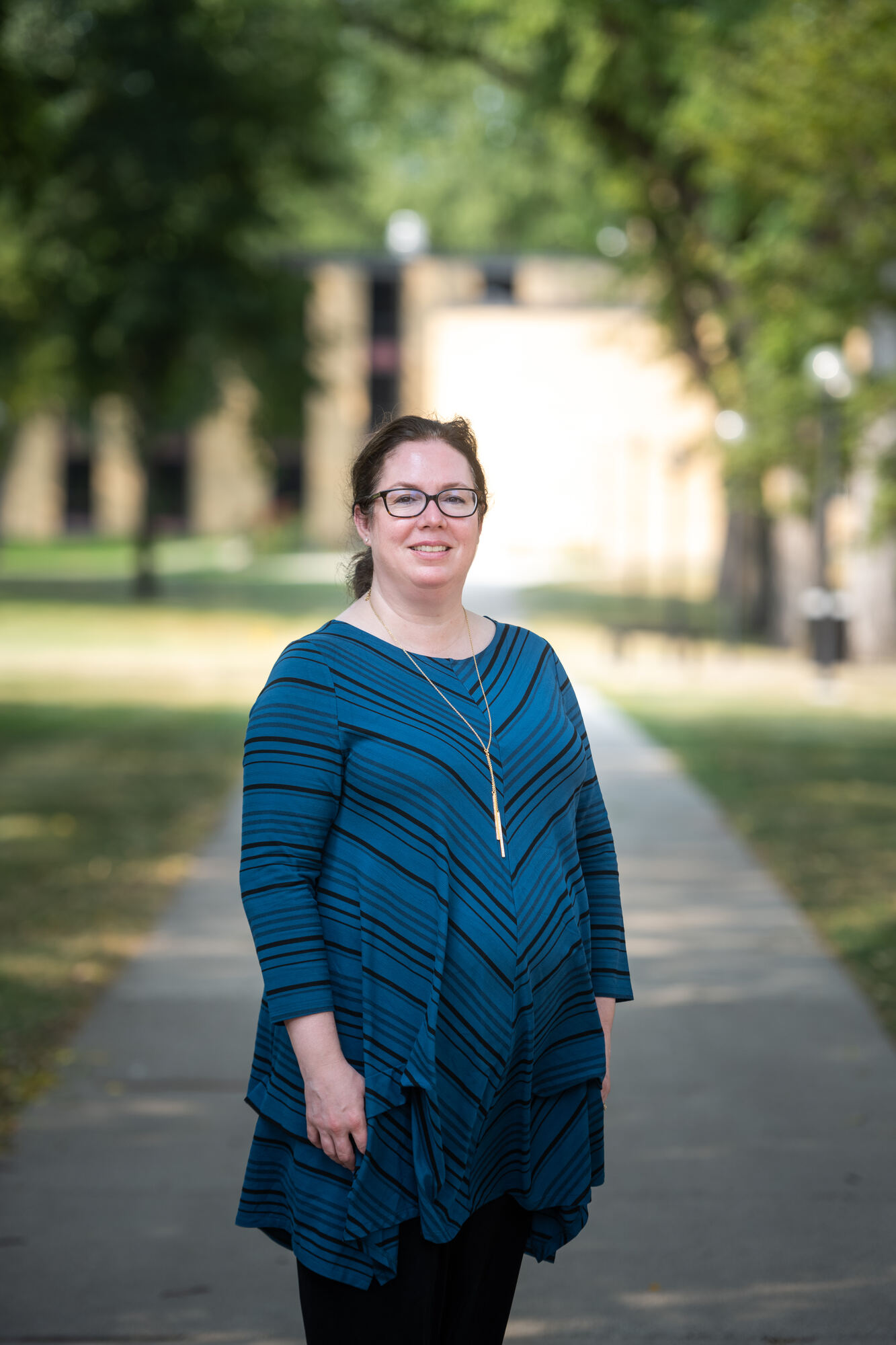
Gay Rawson
Dr. Gay Rawson is the recently named Director of External Relations and Strategic Initiatives for the Concordia Language Villages. She is also a professor at Concordia College, director of the Concordia Language Institute, and the lead instructor for the French program at Concordia’s Language Training Center. In recognition of her work promoting the French language and culture, she was named a chevalier (knight) of the Ordre des Palmes académiques by the French Ministry of Education. Dr. Rawson's previous roles include serving as the instructional lead for a STARTALK Chinese teacher-training program and as department chair for the Department of World Languages and Cultures at Concordia College.
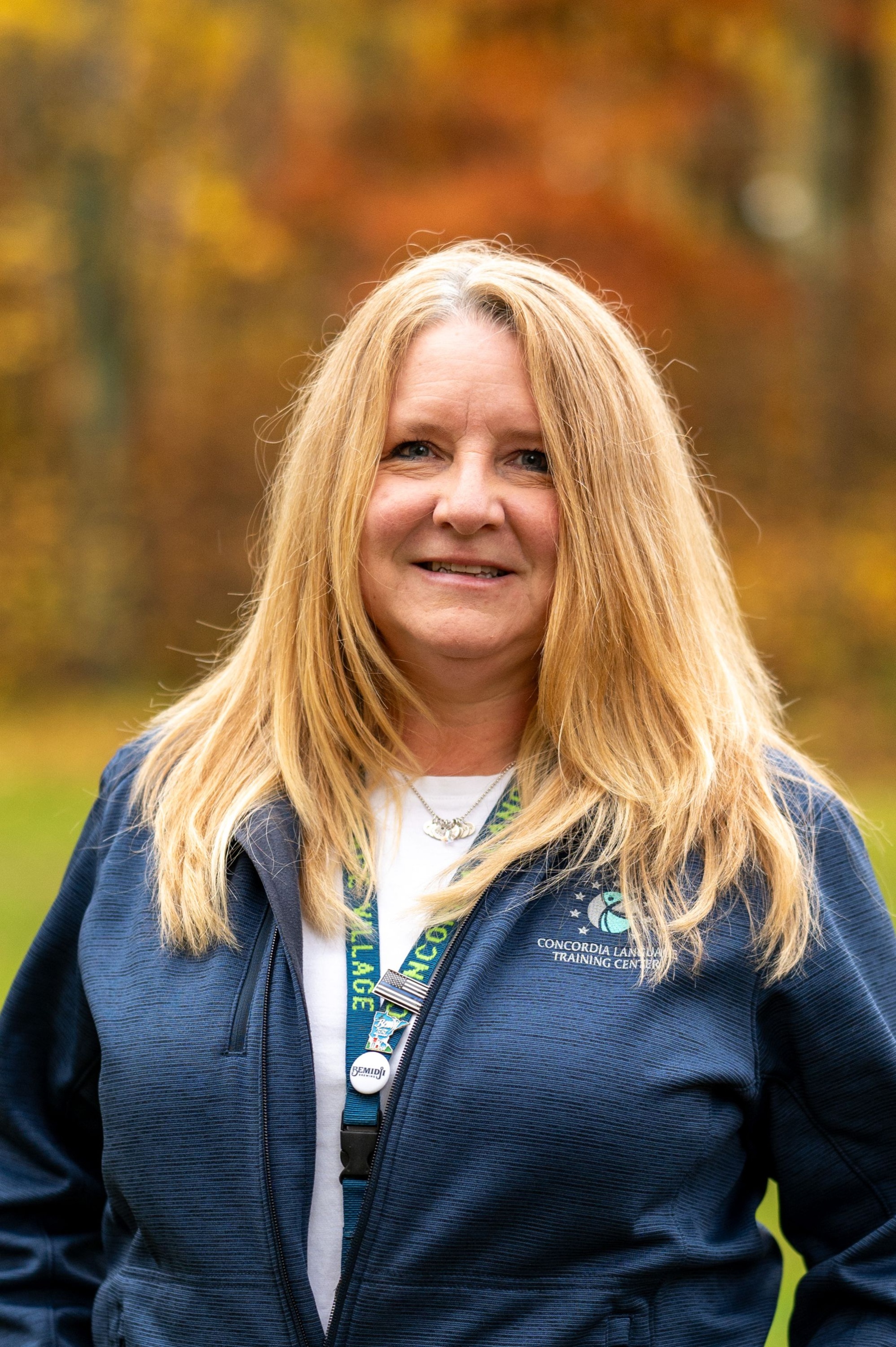
Brenda Lund
Brenda Lund joined the Concordia Language Training Center in October 2021 as Client Services Specialist. Brenda earned a business administration degree from Moorhead State University in Moorhead, Minn., and an M.B.A. in Logistics from the Carlson School of Management at the University of Minnesota. Prior to returning to Bemidji, she spent seven years working in youth ministry as a department coordinator. Passionate about sharing her knowledge and love of the Bemidji area, Brenda enjoys helping Language Training Center staff and participants make the most of their time in northern Minnesota.
Our Location: Bemidji, Minn.
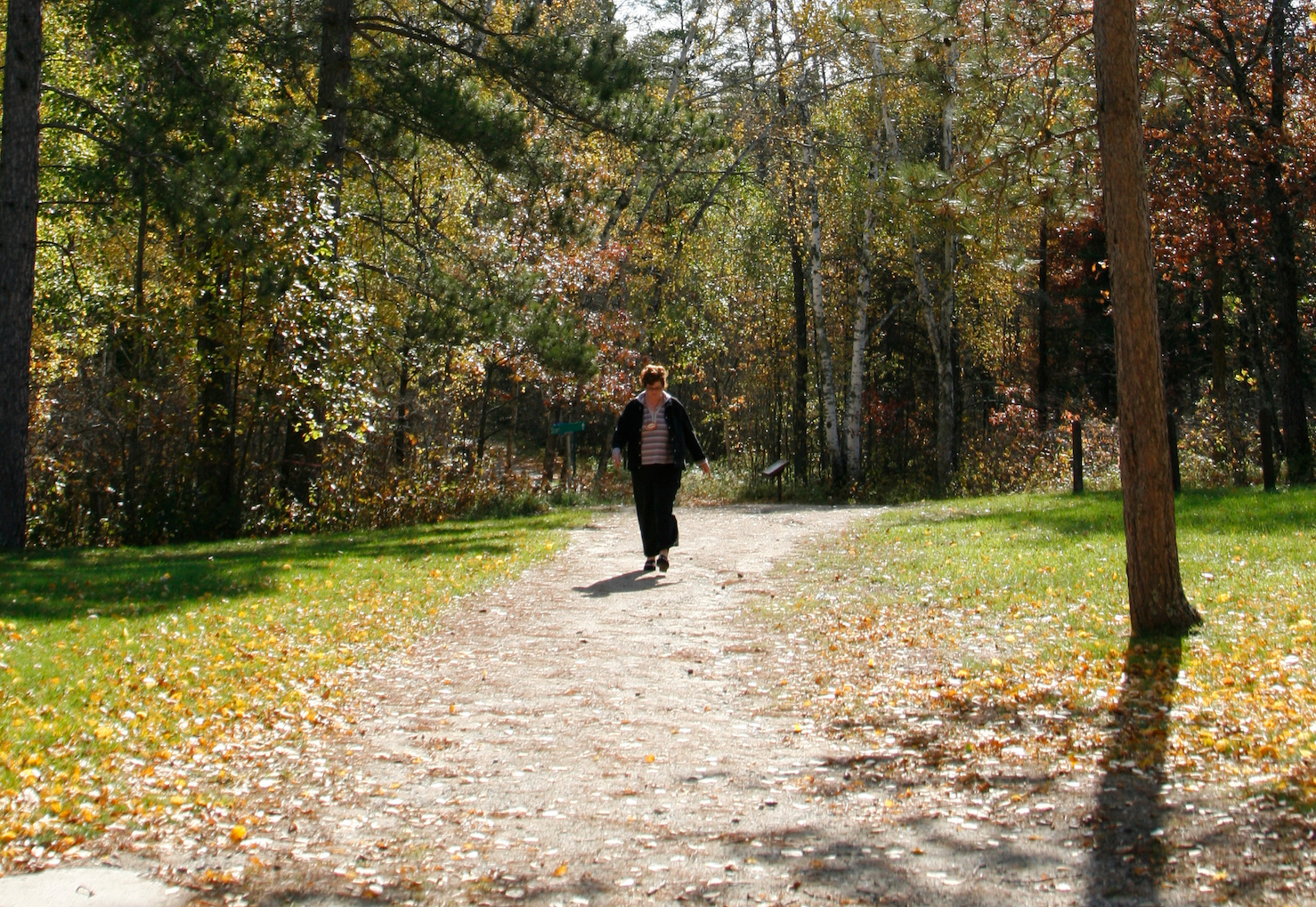
Turtle River Lake
All Concordia LTC programs will be held at the 867-acre Concordia Language Villages campus near Bemidji, Minn., which is comprised of eight architecturally authentic retreat centers, each reflecting the cultures of one of the 18 languages offered by Concordia Language Villages.
Given the fact that the architectural focus of these facilities does not always line up with the target languages/cultures represented by the LTC immersions, any of these facilities might be used for any of the languages.
For more information about LTCs in the United States visit the Department of Defense website.

Interested in Becoming an LTC Instructor?
Are you an educator skilled in critical languages? A miliary veteran experienced in cross-cultural communication? Join our team at the Language Training Center and help prepare others for effective deployment and homeland operations.
Interested in Becoming an LTC Instructor?
Are you an educator skilled in critical languages? A miliary veteran experienced in cross-cultural communication? Join our team at the Language Training Center and help prepare others for effective deployment and homeland operations.
Language Training Center FAQs
Here are Frequently Asked Questions about Concordia Language Villages programs. If your question is not addressed here, please visit our FAQ page or contact us.
Watch for forms that may be arriving by email, including the Health Form, Transportation Form and Student Needs Assessment form, and return these as soon as possible. These will enable us to coordinate travel arrangements, adjust program elements according to your needs and plan for any dietary or other health-related accommodations you may require.
Programs are held outside of Bemidji, Minn. on Turtle River Lake. The property includes some small hills, unpaved walking paths, exercise areas and outdoor recreational spaces.
Each lodging unit typically accommodates one-four adults of the same gender in semi-private spaces. Bedding, linens, towels, pillows with pillowcases and tissues are provided. Beds will be made before your arrival and fresh towels will be available daily. Custodial staff freshen up bathrooms regularly, but will not enter your sleeping spaces. Each lodging unit includes a table and chairs where students can study. In all but one of the facilities, bathrooms are in the same building as the sleeping rooms. The facility with separate buildings for sleeping rooms and bathrooms is used only from late March to mid-November.
Each Village is a casual, rustic environment and you should come prepared to actively engage in outdoor activities on any given program day. Pack active clothing so you can participate comfortably in a broad range of activities. Northern Minnesota weather can fluctuate significantly from day to day, and training activities only allow for occasional opportunities to return to your residential quarters. We recommend that you bring clothes that you can layer easily to adjust to changes in temperature and activity level. Winters can be extremely cold (with daily highs ranging from 10-20 degrees below zero on some days). You will be more comfortable if you bring adequate gear.
For a complete list of recommended items, refer to our LTC Packing List. Please bear in mind that you will have limited access to laundry facilities.
By and large, the Concordia LTC iso-immersion course is "unplugged." We strongly discourage casual/social use of technology by attendees, primarily to maintain the integrity of the immersion environment. Village technology specialists provide computers for online research, displays for class and devices for taking and sharing pictures, audio and video. If you bring your personal technology (including smartphones) into the Village, plan to limit your use of these items to periods designated in the schedule as personal time.
During regular business hours (Monday through Friday 8 a.m. - 4:30 p.m., Central) the main office at the Bemidji campus can be reached at (218) 586-8600. If staff do not immediately answer, callers can leave a message on the voicemail, which is checked frequently. Messages will typically reach you within a couple of hours. An emergency cell phone number where program leadership can be reached after hours will be provided when students arrive.
Students may receive mail at the village by having it sent to:
[Your Name]
attn: [Your Language] LTC Training Course
Concordia Language Villages
8659 Thorsonveien NE
Bemidji, MN 56601
Concordia Language Villages is an alcohol and drug-free environment. While we may serve wine or beer at some meals as part of a cultural activity for students aged 21 or older, our policy prohibits alcoholic beverages brought in by anyone from the outside, and doing so can lead to dismissal from the program. Smoking, including e-cigarettes, is limited to designated areas only. Smoking is not permitted in the cabins or other buildings, nor outdoors except in designated areas, due to the forest environment and generally dry conditions.
The daily schedule at the Village is designed to simulate an immersion experience in-country in its variety of activity and intensity. You should expect to have significantly less personal time than in the balance of your professional/personal life outside the program. You may require more sleep and calories than usual. Starting with breakfast, instructors and colleagues will engage you in conversation. More formal teaching typically takes place in the morning, and the mid-day meal is usually followed by a bit of personal time for rest or exercise. Afternoon activities tend to be more hands-on, such as sports, games, cooking, short hikes, music or simulations of real-life scenarios and practical tasks. After the evening meal, most program schedules set aside time for journaling, study or exercise. In general, you can expect to be engaged with the immersion course from 7:45 a.m. until about 9 p.m. daily, with a midday break for personal time.
Yes. The intensity of the program is designed to simulate the challenges of an immersion experience in-country. The course is paced to provide a minimum of 10 hours of instructional time (formal and informal) each day. Your own progress, and the progress of your colleagues, depends upon your commitment to working through problems and challenges in the target language, especially when you are tired and frustrated. By pushing through confusion and fatigue, you will develop the practical strategies and mental fortitude that are needed to complete tasks in the target language in high-pressure situations. The use of English is reserved for emergency situations.
Mealtime is also instructional time at the Village, and the time you spend at the table counts toward your daily training hours. All meals are eaten together and served family-style, with instructional staff supporting conversation in the target language. The menu will include a variety of authentic regional dishes that may be new or strange to your palate. Part of your work at the Village will be to sample new foods and to discover which regional dishes are most compatible with your physical needs and preferences. Snacks and hot drinks will be available between meals.
The focus of the program is developing interpersonal and presentational communication skills with a teacher-student ratio of 1:3. Lessons focus on functions such as describing, retelling an event, planning an activity, sequencing, asking for clarification and details, comparing, debating and interpreting authentic texts and listening sequences. Language session topics are designed to meet the directives of organizations requesting training, and as such draw upon FLO (Final Learning Objective) topics, as well as interests and needs expressed in the Student Needs Assessment form and during the course. All courses use analysis of authentic materials to expose students to current events, history and social issues. The course also includes reading and writing components, often assigned as homework.
Cultural activities provide variety in modes of language learning and are especially beneficial for tactile learners. They also offer opportunities for you to learn about traditions and practices valued by communities that speak the target language. Cultural activities are selected because of their connection to relevant social issues, events and experiences that influence the thinking, attitudes and behaviors of people in the target region(s). One advantage of a structured immersion setting like this is to connect the academic coursework to the larger cultural context, ranging from related food items, music, games and other cultural activities and traditions. The integrated immersion experience will bring this to life fully, and always in the target language.
Throughout the program, instructors engage in informal formative assessments to make sure that students are grasping course material and are able to perform target functions. Instructors provide real-time feedback on pronunciation, vocabulary choice and grammar. You will have the opportunity to discuss challenges, priorities and learning goals one-on-one with instructors. You will also be asked to reflect on your own progress by completing a self-assessment survey on the first and last program days and at mid-session. On the first and last days of the program, you will sit for a computer-based Oral Proficiency Interview. You will hear a recorded voice, and your voice will be recorded. The test will be rated by two ACTFL Certified OPIc raters from outside the Concordia Language Training Center organization. Results are usually available within five business days of completing the OPIc.
You can view our course schedule and other useful information. Our course schedule has included the first and last dates as travel dates.
Currently, we have run four successful Virtual Language Training Center sessions for Hebrew, Chinese, Persian/Farsi and Korean. We may offer these Virtual LTC programs in the future. Our goal is to offer in-person, face-to-face training as much as possible.
Send your emails to ConcordiaLTC@cord.edu. One of our staff will be able to follow up regarding any inquiries regarding the Language Training Center. If you are a military member and a course is not sponsored by your unit/branch you can still apply for a seat in our programs and we will contact our sponsor about your interest if we have seats available.
Class materials are provided. The service member may bring a laptop computer in order to access the internet. You will be accessing first-hand material, provided by the Language Training Center. It is also recommended that the student have any special learning material or supplies they feel is necessary to assist in their studies (pen, paper, flashcards, etc.).