About Concordia Language Villages
Our Mission
The mission of Concordia Language Villages is to inspire courageous global citizens.
A courageous global citizen lives responsibly by:
- Appreciating and seeking to understand diverse cultural perspectives
- Communicating with confidence and cultural sensitivity in multiple languages
- Respecting human dignity and cultivating compassion
- Engaging critically and creatively with issues that transcend boundaries
- Advancing a more just, peaceful and sustainable world for all
Our History
We’ve been inspiring courageous global citizens since 1961, when Gerhard Haukebo, a Concordia College faculty member, suggested an experimental program using cultural immersion techniques to teach language. Concordia College sponsored the project, renting a camp in central Minnesota to host a two-week German language program with 72 students aged 9-12. The experiment was a resounding success.
A French program was added the following year, followed by Norwegian and Spanish in 1963 and Russian in 1966. New languages were added year after year, expanding the programs and cultural immersion experiences.
As the camps grew in popularity, leasing land and building temporary Villages became more of a challenge. The grand idea of constructing permanent, architecturally accurate cultural Villages was born.
Construction of the first permanent site, the Norwegian Language Village Skogfjorden, began in 1969, followed by the German Language Village, Waldsee, in 1978 and the French Language Village, Lac du Bois, in 1988. Today, Concordia Language Villages is comprised of eight unique sites that transport visitors to international environments, all nestled in the beautiful North Woods of Minnesota lakes country. Other sites are leased for summer programs, and new permanent sites are planned for future development.
Who We Are
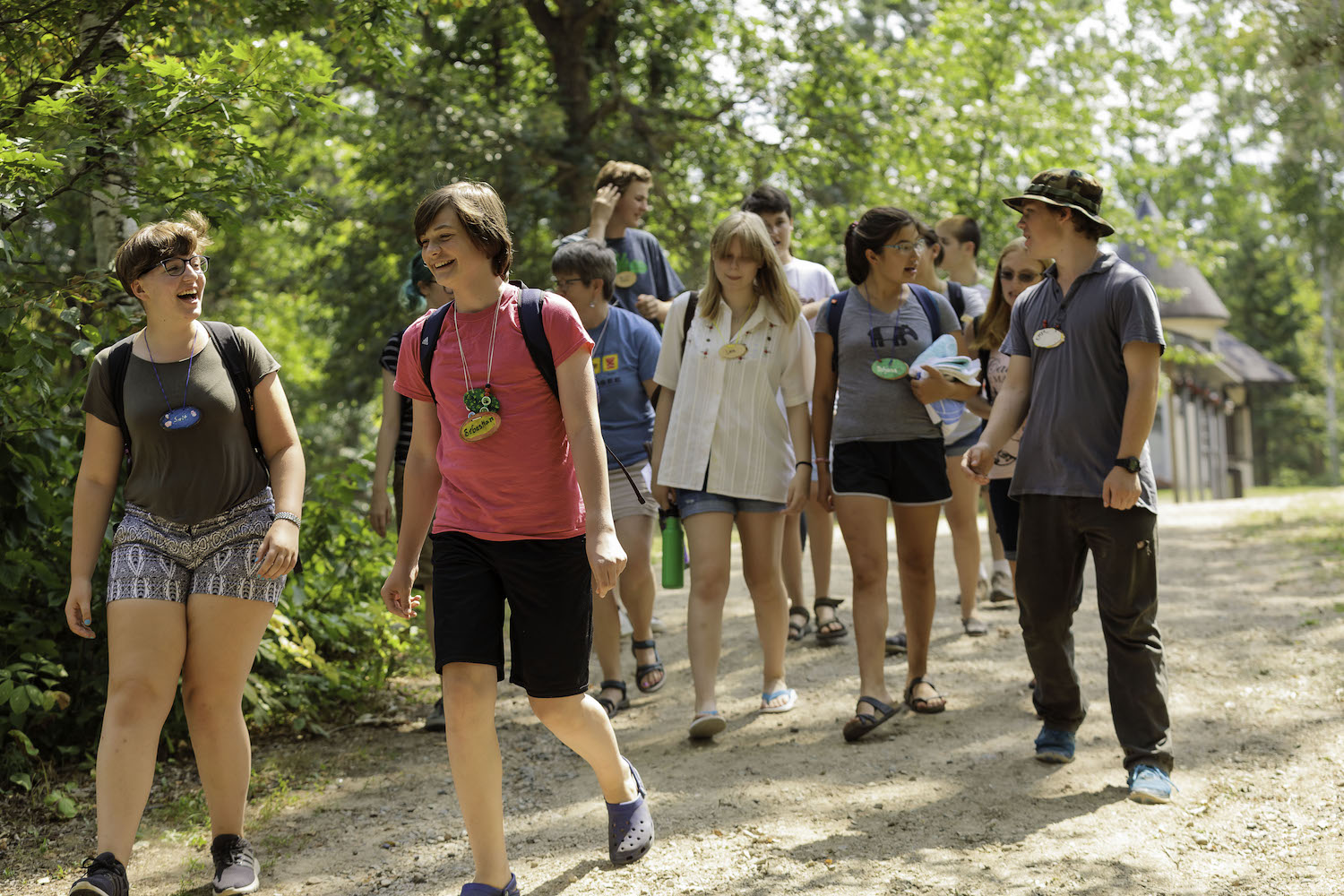
Deep in the North Woods of Minnesota, we create a place that is both culturally authentic and uniquely our own. In the Language Villages, everything from the music played to the dishes used in the dining hall reflect the culture each was designed to represent. Immerse yourself in the world of a native speaker, where you can truly learn to live a language, not just speak it.
MEET OUR LEADERSHIP
Concordia Language Villages is privileged to be run by world-class leaders who hold responsibility for the programs, run day-to-day operations and set strategic direction for the future.
Susan Larson
Interim Director
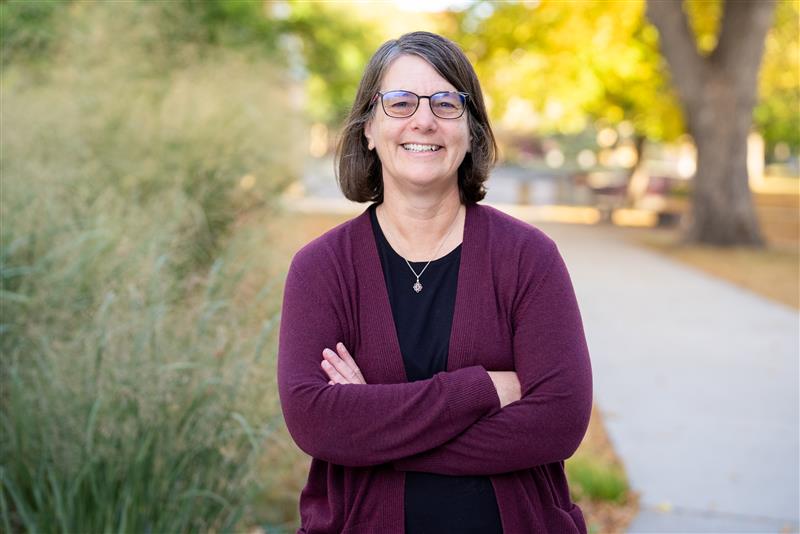
Nationally, Susan has been a longtime advocate for undergraduate research. She served as a past president oft he Council on Undergraduate Research (CUR) and regularly leads faculty development workshops for CUR institutes.

Kyle Chones
Site Director
Ellen Plekrud Frierson
Program Director
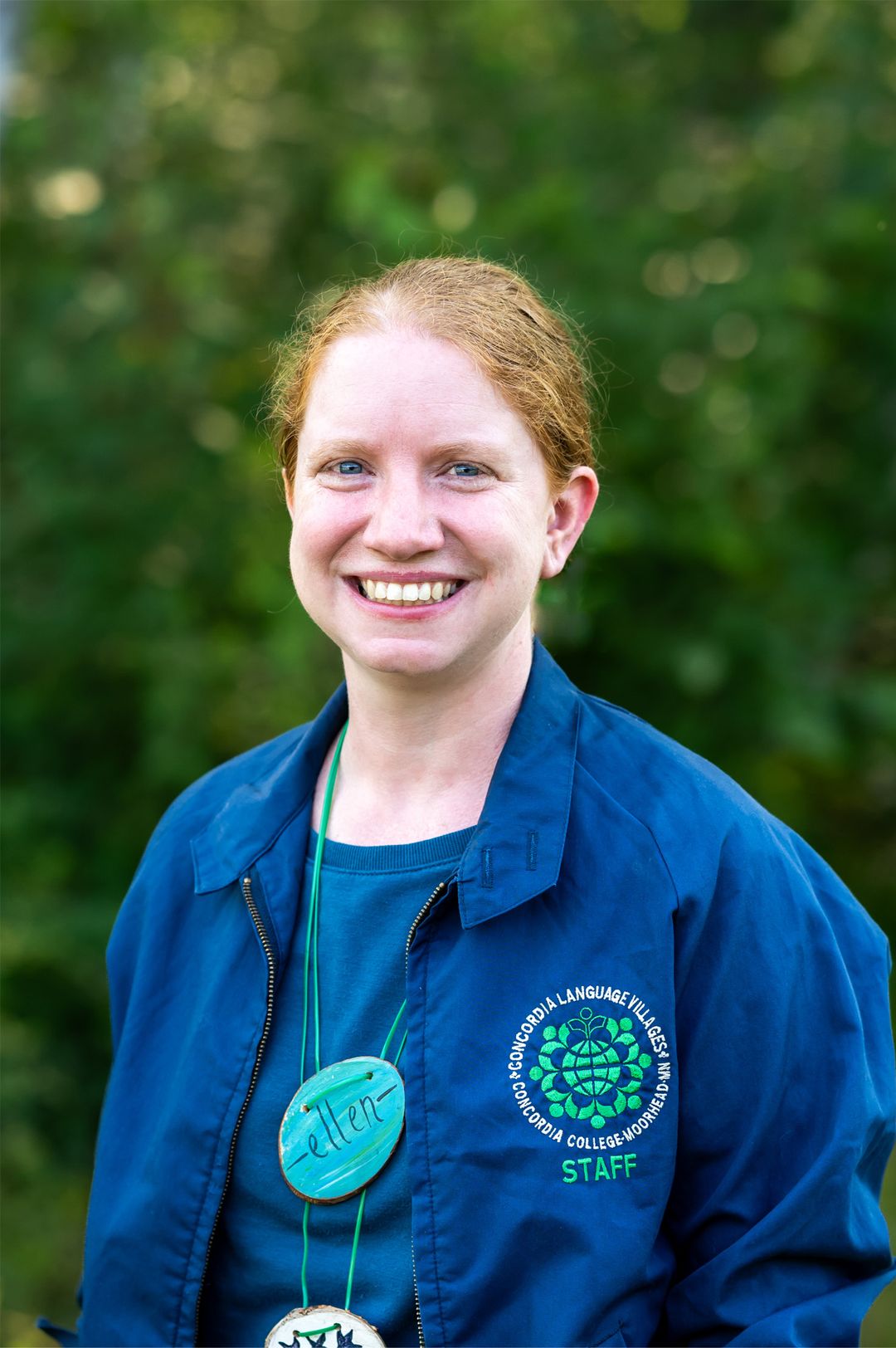
Ellen Plekrud Frierson is the program director for Arabic, Chinese, Japanese, Korean, Portuguese, Russian and Spanish Language Villages. She holds a B.A. in English and Theater, an M.A. in International Educational Development as well as certificates in TESOL and Nonprofit Management. Ellen's career began at Concordia Language Villages, where she was on staff at Waldsee for 10 years after eight years as a villager.
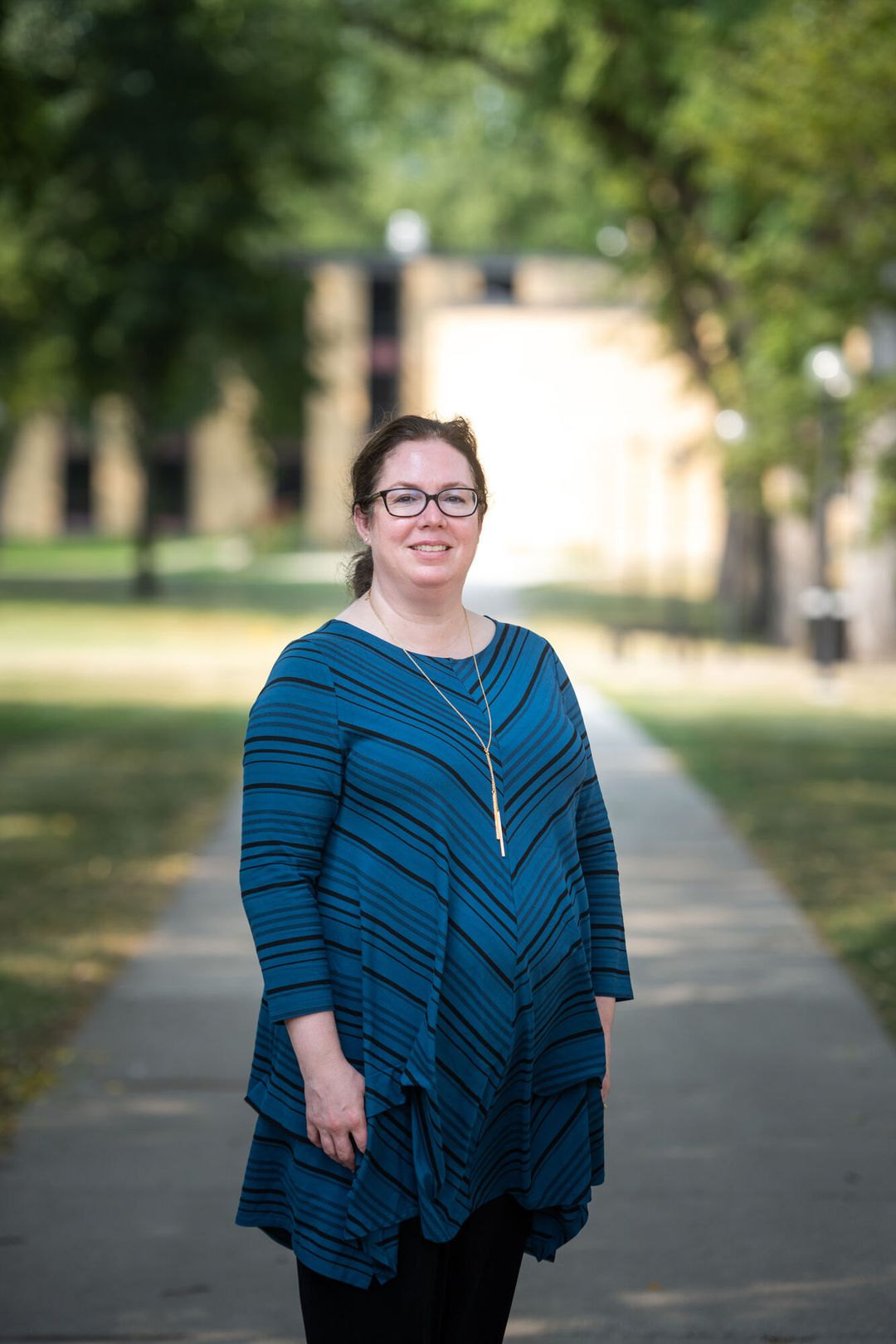
Dr. Gay Rawson
Director of External Relations and Strategic Initiatives
Dr. Gay Rawson is a professor at Concordia College, director of the Concordia Language Institute, and the lead instructor for the French program at Concordia’s Language Training Center. In recognition of her work promoting the French language and culture, she was named a chevalier (knight) of the Ordre des Palmes académiques by the French Ministry of Education. Dr. Rawson's previous roles include serving as the instructional lead for a STARTALK Chinese teacher-training program and as department chair for the Department of World Languages and Cultures at Concordia College.
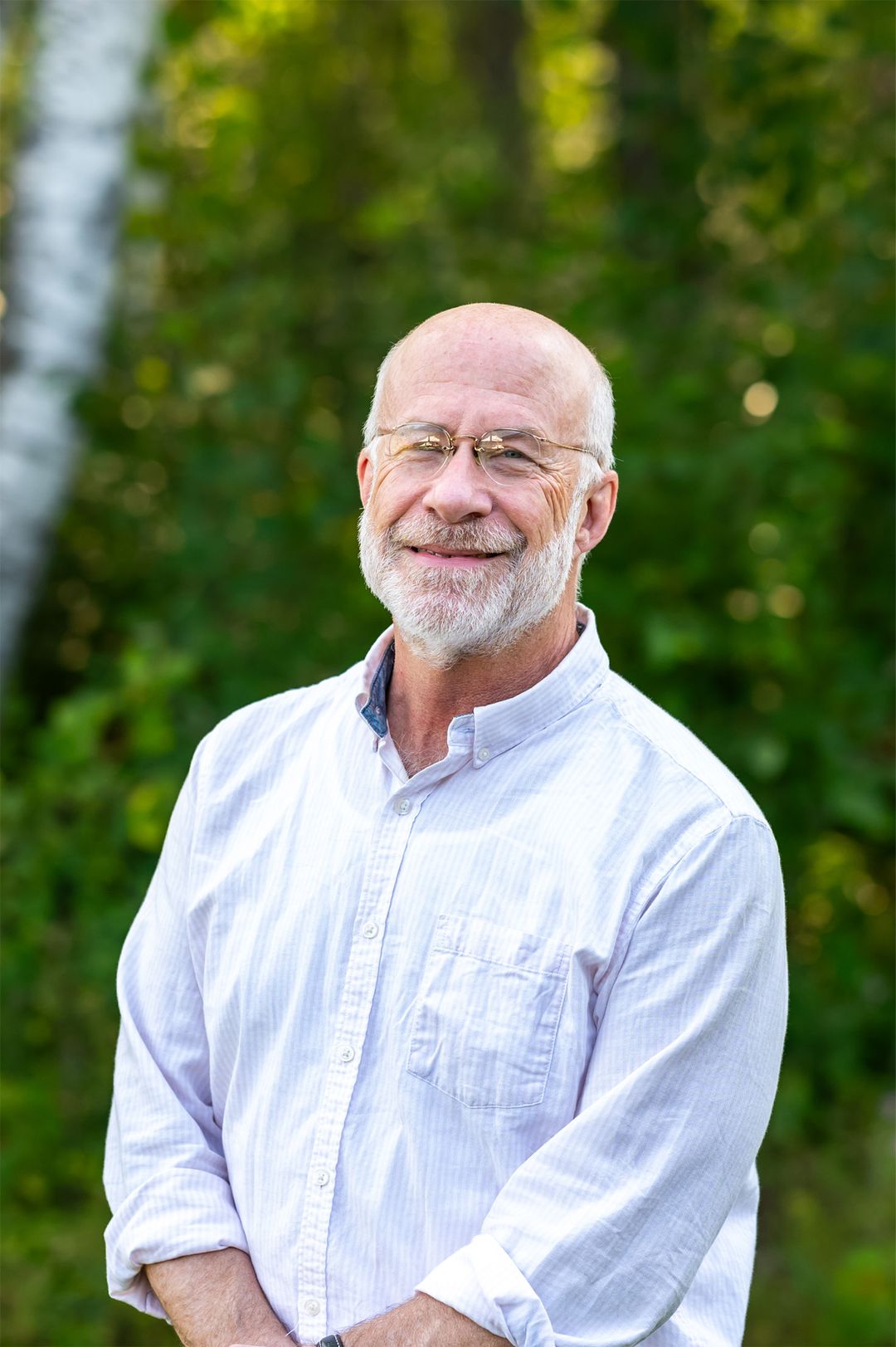
Marc Johnson
Director of Development
Director of Development Marc Johnson is a proven fundraising professional with a successful record of achieving significant results. A graduate of the University of Minnesota, Marc has spent his career in non-profit administration and development. He spent over nine years at the American Swedish Institute building the external relations team for a world-class cultural center and museum.
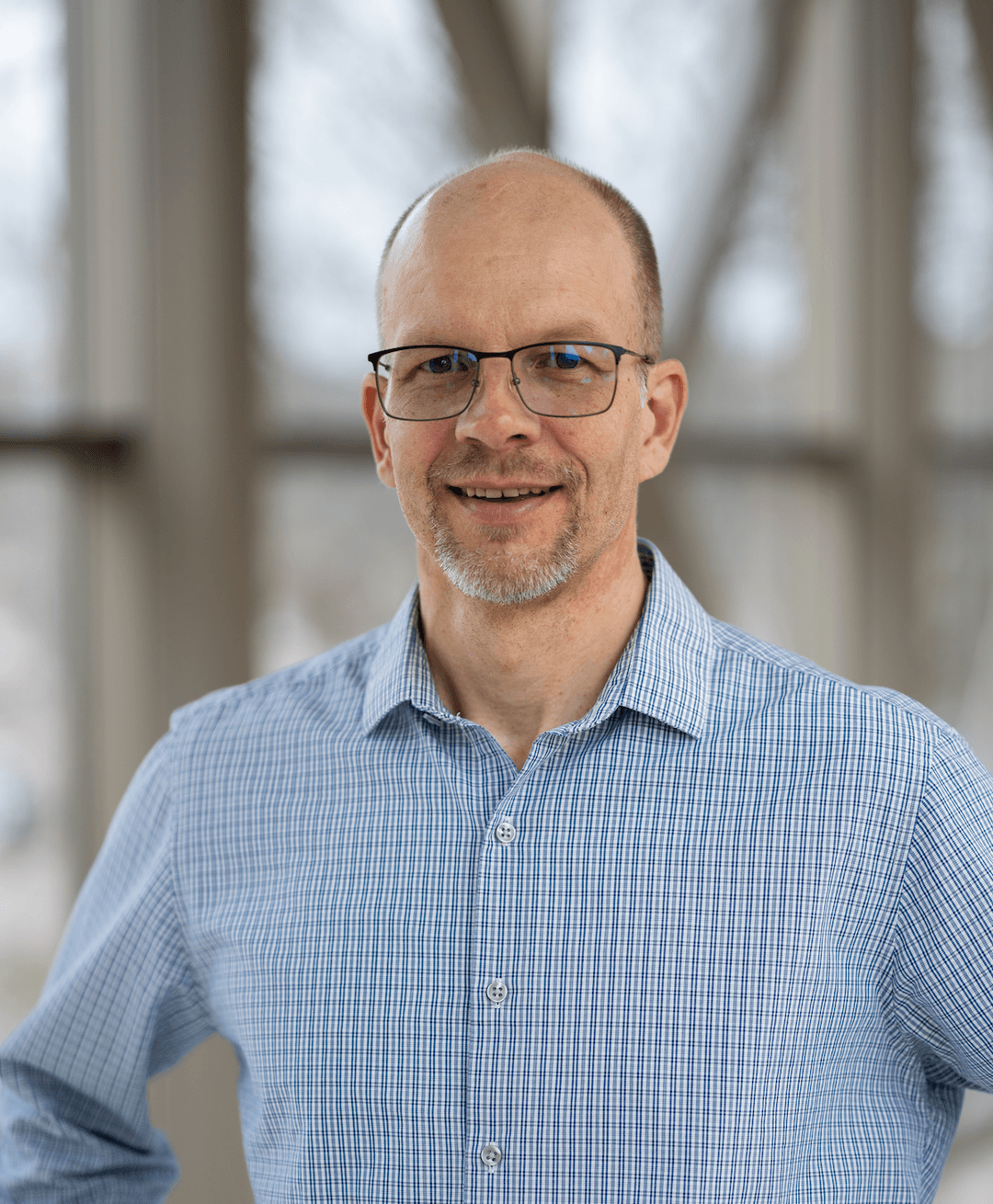
Jon 幸 Kō Suomala
Director of Finance and Administrative Services
Jon 幸 Kō Suomala is the director of finance and administrative services. Prior to joining the Language Villages, Jon worked in the banking, manufacturing, construction and agricultural industries. Jon holds a master's degree in business administration and a bachelor's degree in agricultural economics. Having studied and worked in Japan, he is a former staff member at Mori no Ike, the Japanese Language Village.
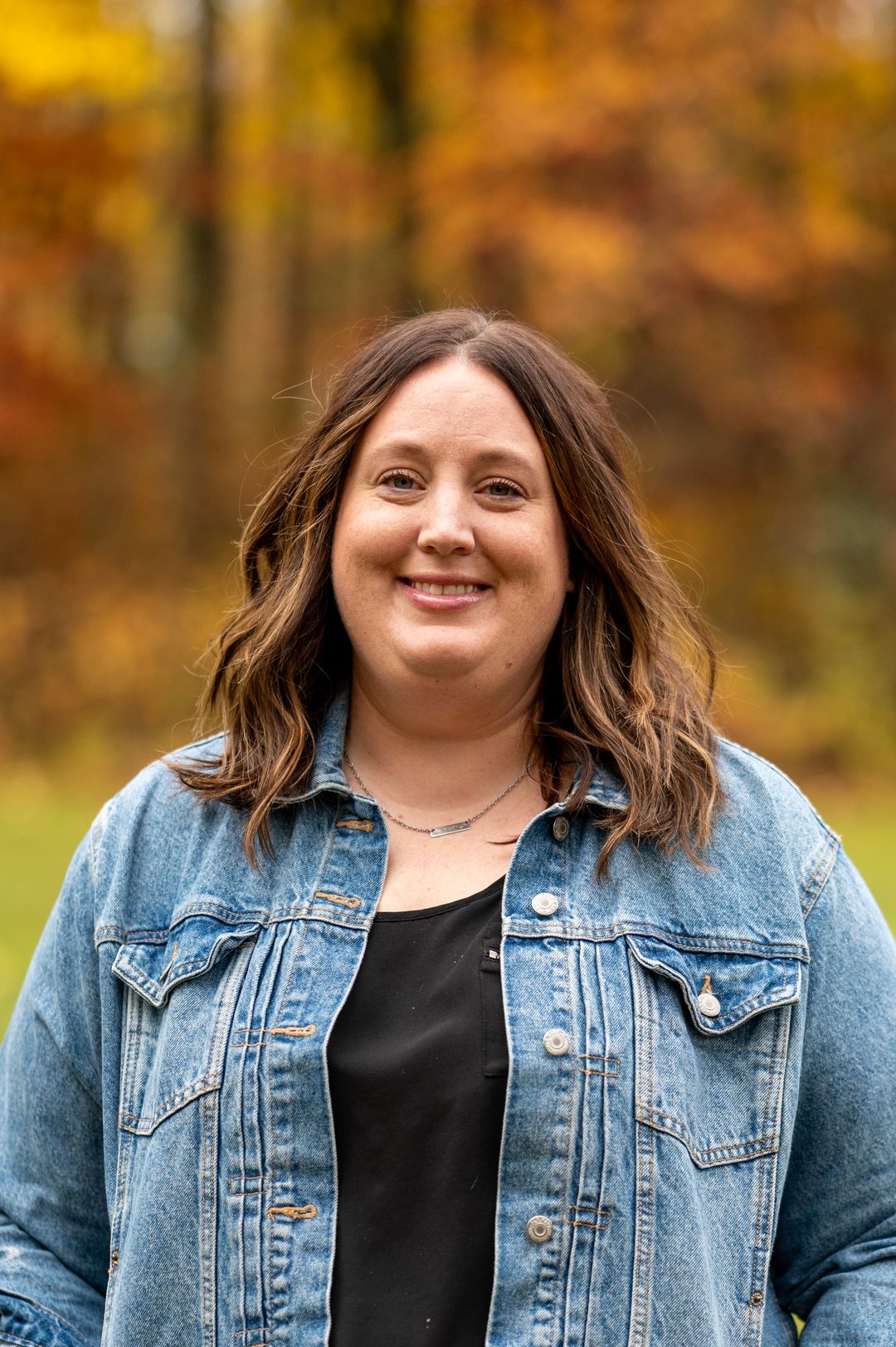
Danielle Thorson
HR Business Partner
Danielle Thorson serves as the HR Business Partner at Concordia Language Villages, where she collaborates closely with Concordia College Human Resources to stay informed about the latest trends, best practices, regulatory updates and emerging technologies in the fields of human resources, talent management and employment law.
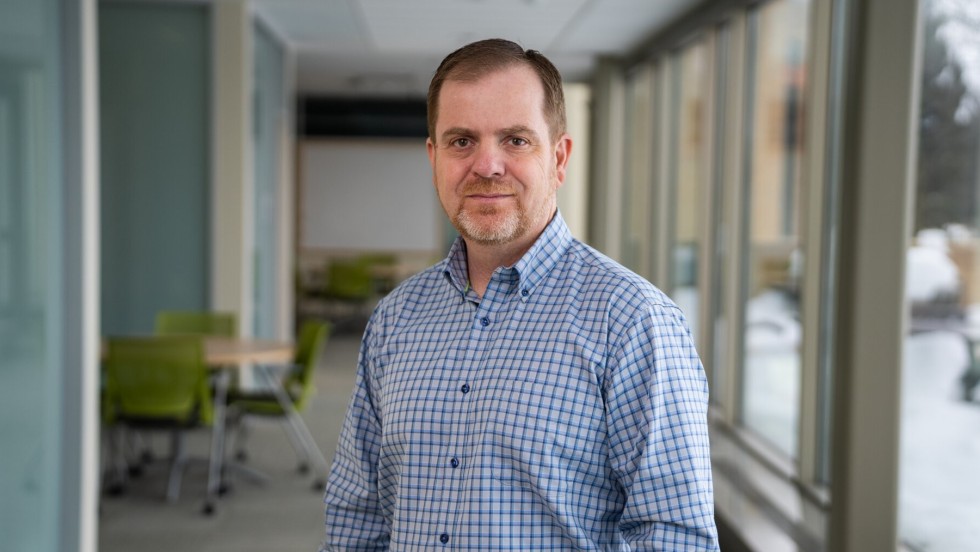
Dallas Fossum
Associate Vice President of Facilities Management
Our Locations
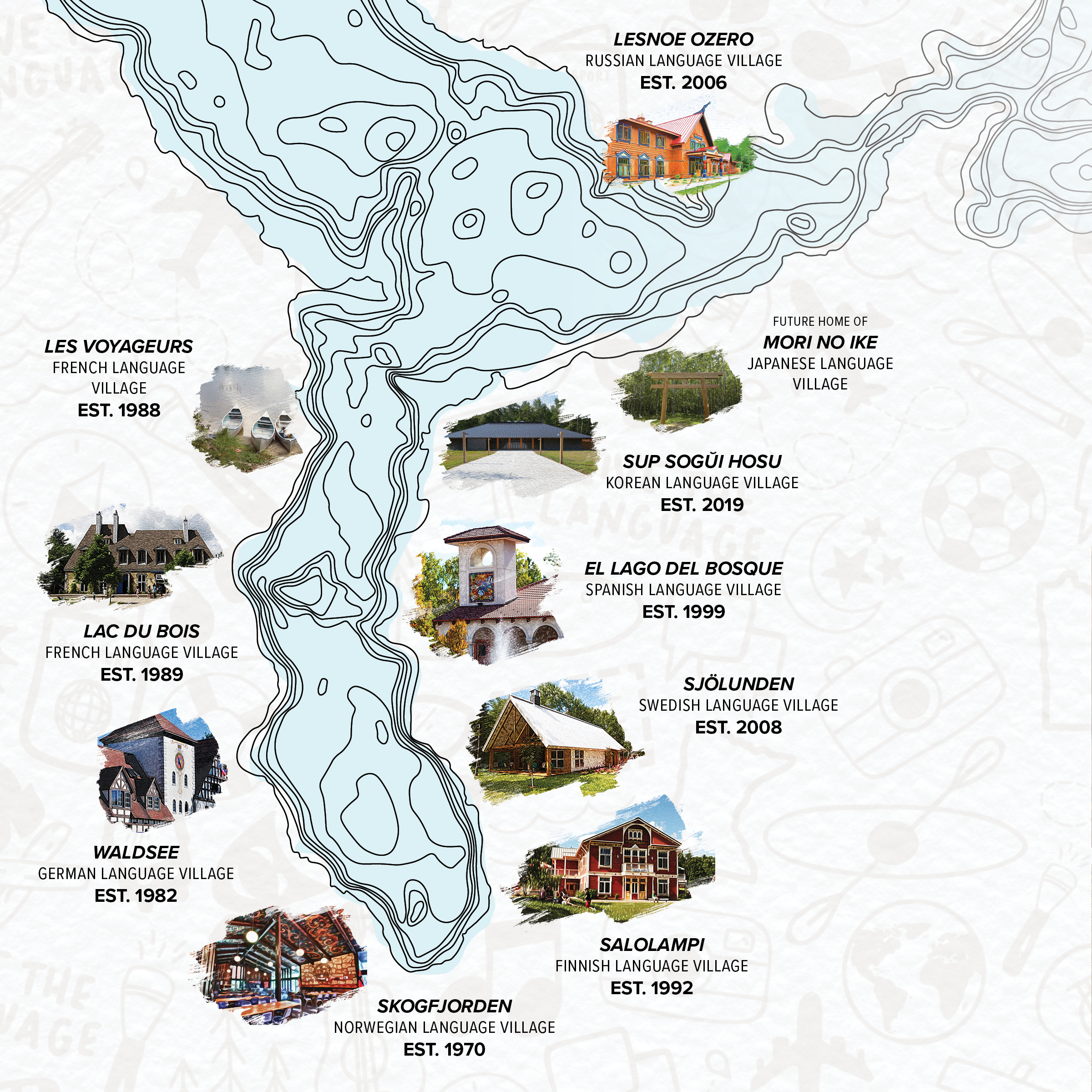
Our culturally authentic, year-round sites for Finnish, French, German, Korean, Norwegian, Russian, Spanish and Swedish are on Turtle River Lake, near Bemidji, Minn. The Bemidji site also has a year-round administrative office. Other sites leased by Concordia Language Villages are at camps located throughout Minnesota. Our main office is located on the campus of Concordia College in Moorhead, Minn. Moorhead is the home to our enrollment team as well as many administrative and support staff positions.
Site Rental
Host Your Next Event at The Villages
Planning a wedding, corporate retreat, or family reunion? The Villages at Concordia Language Villages offers a one-of-a-kind setting and personalized support to make your gathering unforgettable. Our unique venues are available to rent from September through May.
Building Bridges with Language and Cultural Competencies
Concordia Language Villages affirms a diversity of identities, experiences and perspectives in our programming and employment opportunities, leading all who learn, play and work here to honor difference with respectful understanding and to practice courageous global citizenship, in line with our mission, without regard for race, color, national origin, religion, sex, sexual orientation, gender identity and expression, military status, age or socioeconomic status.
To truly understand the cultural context of another person’s thinking and doing, knowing their language, even just some of their language, opens doors for establishing interpersonal relationships and builds bridges that will lead to increased productivity and create a competitive edge. The experiential setting of a Concordia Language Villages language and cultural immersion program provides the ideal environment to encounter, discover and explore another culture. In a supportive setting and surrounded by a community of learners, real work gets done toward building cross-cultural competencies and language skills.
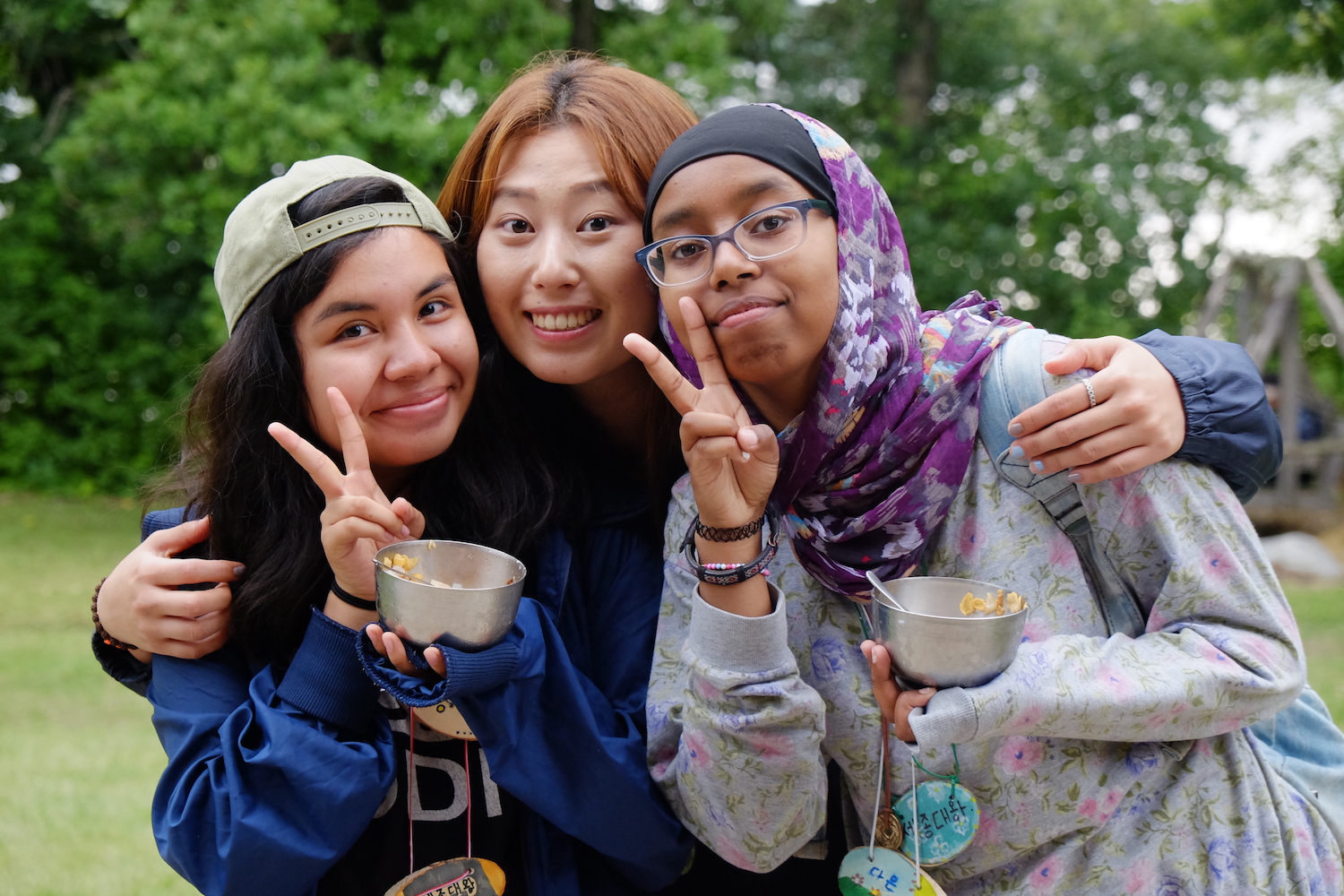
Concordia Language Villages hires both year-round and seasonal staff. Year-round roles include administration, culinary arts, maintenance and more. Seasonal roles work directly with our villagers throughout the year, in both virtual and overnight programs in northern Minnesota. Summer staff applications open in December.
Learn more and find current job openings here.
Designed specifically for military members, Concordia College is one of the Language Training Centers (LTC) across the country funded by the Defense Language and National Security Education Office and administered by the Institute of International Education.
Learn more here.
Our staff bring a new set of talents every session so there is something new to learn. Staying in the target language means we can recognize very quickly the language skills of different villagers, and even if they have been to the Language Villages before, there will be plenty of new language exposure.
Speaking the language to villagers, without using English, is a hallmark of immersion language learning. We use many learning techniques to help comprehension: gestures, pictures, pointing, facial expressions, actual objects, mime, repetition, examples and demonstrations, just to name a few. “Context” is important, meaning everything is grounded in daily life at the Language Villages to help language learners understand. We make deliberate use of routines and normal activity. Staff will use English with villagers for health and safety reasons, and also at times to make sure that everyone is feeling comfortable no matter what their language level. If a villager is a beginner, you can rest assured that we will make it fun and understandable!
Villagers come to us at all levels and we strive to meet language learners at their individual developmental and linguistic levels. Our programs offer the opportunity to interact with others using the target language in an encouraging and supportive environment. This kind of real communication is impossible to replicate by using a text book or computer program. Villagers gain many important language skills. They will leave with an enthusiasm to continue learning about the world. They will have a sense that learning this language is something they CAN do, and they enjoy doing. They will be motivated to go on and to discover more about other languages and cultures. It is our goal to send each villager home from one of the most academically and culturally enriching, and personally transforming experiences of his or her life, no matter their age.
With many languages to choose from, this can be a tough decision! Some villagers choose a language to learn more about their family’s heritage. Young villagers may base their choice on what language is offered at their school; in this way the Village experience can serve as an extension to classroom learning. Both youth and adult villagers may opt for trying a second or third language. No matter your age or motivation, you're sure to find a program that's right for you.
For overnight sessions, villagers' language levels are evaluated when they arrive and are placed in language groups with others of the same ability as them. Throughout each day, villagers have language sessions will this smaller language group. Other times during the day will be spent with mixed levels, participating in activities, meals, evening programs and campfire. For virtual programs, we evaluate proficiency using standardized forms prior to the start of the session and place villagers in the appropriate group based on current knowledge and skill.
No; we welcome all experience levels into our programs!